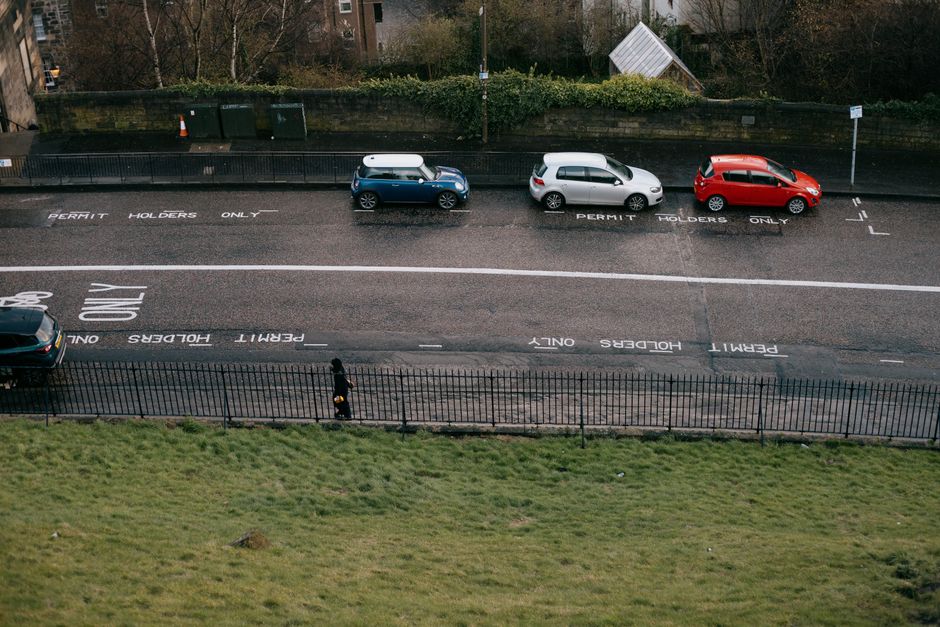
Parking Suspension Permits for Mottingham Moves Explained
Posted on 18/06/2026
Moving house in Mottingham can feel straightforward right up until the van arrives and there's nowhere legal to stop. That's where parking suspension permits come in. If you are planning a flat move, a family house move, or a tight same-day drop-off, understanding Parking Suspension Permits for Mottingham Moves Explained can save time, reduce stress, and stop a moving day from turning into an awkward, noisy stand-off with traffic enforcement.
Truth be told, parking is one of those boring little details that becomes the biggest problem when it goes wrong. A suspended bay, a narrow road, a shared drive, a neighbour's car in the wrong place - suddenly the whole schedule slips. In this guide, we'll unpack what a parking suspension is, how it usually works around a Mottingham move, who should arrange it, and the practical steps that make the whole thing much smoother.
If you are still in the early planning stage, it also helps to read about how Mottingham council permits affect your moving day and the local parking realities covered in Mottingham Road removals, parking access and costs. Those pages sit nicely alongside this one.
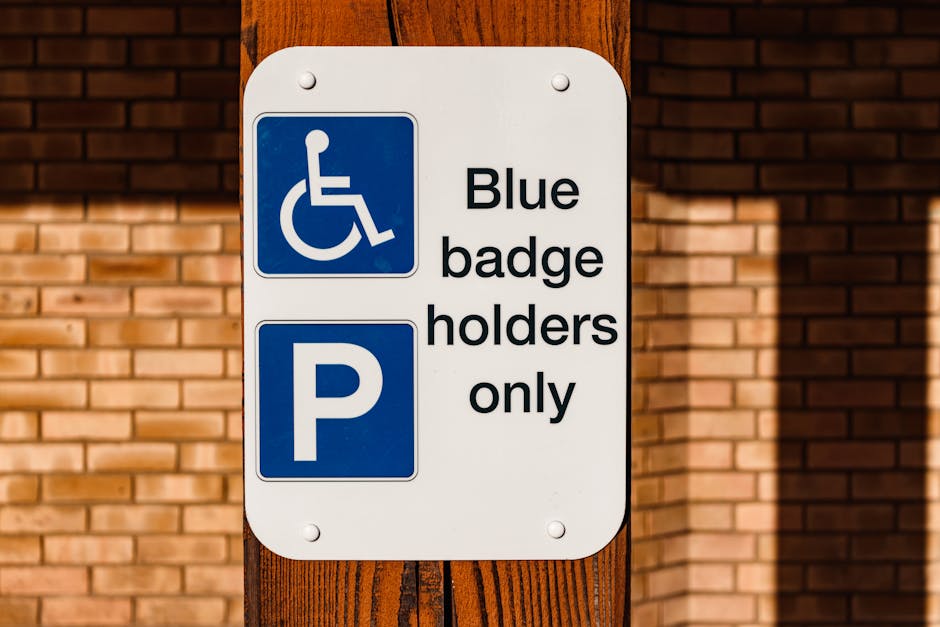
Why Parking Suspension Permits for Mottingham Moves Explained Matters
A parking suspension is usually the temporary removal of normal parking rights in a specific bay, stretch of road, or loading area. For a moving day, that matters because removal vans need predictable access. They are not nimble little cars; they need room to load, unload, and sometimes stay for a couple of hours while furniture comes in and out.
In Mottingham, that can be especially relevant near busy roads, terraced streets, blocks of flats, and places where on-street parking already runs tight by mid-morning. You might be able to park legally without a suspension, but if the road is narrow or heavily occupied, even a small obstruction can throw off the whole move. One blocked bay can mean a longer carry, more handling, more fatigue, and more chance of damage. Nobody wants a sofa balancing in the rain while someone jogs back and forth looking for space. Been there, not fun.
This is where parking suspension permits for moves become useful. They do not just protect a vehicle from tickets. They create a workable space around the property so the team can operate safely and efficiently. That can be the difference between a calm morning and a day that feels like a puzzle with missing pieces.
It is also worth remembering that access is not only about convenience. It connects directly to safety, speed, and the condition of your belongings. If the van is parked too far away, the carry distance increases. That means more lifting, more doorframe scraping risk, and more chances for the awkward wobble that every mover quietly dreads. For larger homes, or moves involving bulky items, parking access is part of the moving plan, not a side issue.
If you are decluttering before the move, it can help to pair this planning with decluttering like a pro and top strategies to streamline packing when changing homes. Less clutter usually means faster loading, and faster loading means the parked van matters even more.
How Parking Suspension Permits for Mottingham Moves Explained Works
At a practical level, a parking suspension tells drivers that a section of road or parking bay is temporarily unavailable. For a move, this often means the space is reserved so a removal van can park as close as possible to the property. The exact process can vary by street and by local authority practice, so it is sensible to check local requirements well ahead of the moving date rather than leaving it to the last minute.
Usually, the person organising the move or the removal company will identify whether suspension is needed. If it is, they will then look at the timing, location, and type of vehicle access required. A suspension might be requested for a specific bay, a short stretch of kerb, or a loading area. The purpose is simple: keep the space clear long enough for the move to happen safely.
What people often miss is that a parking suspension is not a magic wand. It does not make every street suddenly wide or every bay instantly easy to use. If the access road is already tight, the team may still need to think about turning space, neighbours' vehicles, timing with refuse collection, and whether the van can remain in place for the full job. So the suspension is just one piece of the access plan.
In Mottingham, where properties can vary from compact flats to larger family homes, it helps to think in layers: first, can the van physically reach the property; second, can it stay there long enough; and third, can furniture move safely between the front door and the vehicle without unnecessary carry distance? Those three questions solve a lot of headaches before they start.
For larger or specialist moves, like a piano or a bulky wardrobe, parking access becomes even more important. The closer the van can sit to the entrance, the less strain on both the item and the people carrying it. That is one reason many customers exploring piano removals in Mottingham or furniture removals in Mottingham ask about parking first and item handling second.
Key Benefits and Practical Advantages
Parking suspension permits are not just about bureaucracy. When used properly, they support a better move from start to finish. Here are the main benefits in plain English.
- Closer loading access: The van can often park nearer to the property, which shortens the carry and speeds up loading.
- Less physical strain: Fewer steps with heavy items reduces fatigue and lowers the chance of rushed handling.
- Better timekeeping: A reserved space helps the team stay on schedule, especially during peak moving hours.
- Lower risk of damage: Less distance between home and van means fewer opportunities for knocks, scrapes, and awkward turns.
- Reduced stress: You are not spending the morning circling the block wondering where the vehicle will go.
- Cleaner coordination: It helps everyone involved - movers, residents, neighbours, and even delivery traffic - understand the plan.
There is also a subtle but important benefit: it makes the whole move feel more controlled. Moving is already full of uncertainty. Boxes are labelled in a slightly optimistic way, kettles vanish for ten minutes, and somebody always says, "I'm sure that was here." Parking access is one of the few things you can plan properly, so it pays to do so.
For people comparing moving support options, this is where local expertise matters. A company that understands parking access, narrow roads, and flat-time pressures will usually handle the day more calmly. That is especially true if you are considering man and van Mottingham, man with a van Mottingham, or more comprehensive removal services in Mottingham.
Who This Is For and When It Makes Sense
Not every move needs a parking suspension. Some properties have private driveways, easy forecourt space, or enough off-street access that the van can load without difficulty. But it becomes a strong consideration when the move involves any of the following:
- terraced housing with limited kerb space
- flats or maisonettes where access is shared or restricted
- roads that are already busy at school-run or commuter times
- large furniture, fragile items, or multiple heavy loads
- same-day or short-notice moves where timing is tight
- properties near junctions, bends, or narrow residential streets
If you are a student leaving a flat, you may only need a short loading window, but that short window still matters. For smaller relocations, many people look into student removals Mottingham or flat removals Mottingham because the access needs are often a bit more delicate than they first appear.
On the other hand, if you are moving a whole household, with beds, dining sets, white goods, and a few delicate pieces, the case for a suspension gets stronger quickly. The more items that need carrying, the more you feel every extra metre between the front door and the vehicle. It sounds trivial. It isn't.
There are also special scenarios. If you need to move on short notice, it may be worth checking availability for same day removals Mottingham. If the move is more complex and involves storage or staged relocation, then a parking plan becomes part of the bigger logistics picture. In those cases, the calmer the access, the better.
Step-by-Step Guidance
If you want to approach parking suspensions sensibly, use this sequence. It keeps the process tidy and reduces last-minute drama.
- Check the property access first. Look at the road, available bays, and whether a van can stop near the entrance without blocking traffic or crossing restrictions.
- Measure the practical carry distance. Think in steps, not metres. Could a sofa or mattress be carried from the door to the van without a long detour?
- Decide whether a suspension is actually needed. If private access is available, it may not be worth arranging one. If the street is tight, it probably is.
- Confirm the moving date early. Suspensions are usually easier to sort when the date is fixed. Leave it until the week before and you may be in a messy situation.
- Coordinate the van size and arrival time. A larger vehicle may need more room. A late arrival may also affect whether the suspended space is still clear.
- Warn neighbours where appropriate. This small step goes a long way. A polite heads-up can prevent a blocked bay or an unhappy face at the window.
- Plan your packing to suit access. If the van will be close, pack in a way that supports quick loading. Heavy and fragile items should be ready first.
- Keep a backup plan. Weather, roadworks, and parking surprises happen. It is helpful to know the nearest alternative loading point, just in case.
One practical trick: on the evening before the move, stand outside the property and look at the space from the van's point of view. You'll notice problems the front hall never reveals. A low wall. A overhanging hedge. A car that always seems to belong to "someone nearby". Those little things matter more than people expect.
If you are still packing, a guide like top strategies to streamline packing when changing homes can help reduce loading time on the day. Faster loading is particularly useful when you have only a short reserved parking window.
Expert Tips for Better Results
After enough moves, you start to notice the small habits that save the day. None of them are glamorous. All of them help.
- Book access before you book convenience. A cheaper move is not cheaper if the van cannot park.
- Choose the nearest realistic loading point, not the perfect one. The perfect spot is often the one already taken. A practical spot is better than an ideal one that doesn't exist.
- Build a little time buffer. Even ten to fifteen minutes can calm a chaotic morning.
- Separate fragile items early. If the van space is tight, you do not want the team hunting for the one box marked "glass".
- Protect floors and thresholds. Shorter carrying distances still involve repeated foot traffic. Doorsteps and hall tiles can take a beating.
- Use the right support for awkward items. A mattress, piano, or large sofa may need more than enthusiasm and a pair of gloves.
For heavier pieces, it is worth revisiting the handling side too. Articles like the independent guide to lifting heavy alone and unveiling the secrets of kinetic lifting are useful reminders that technique matters. Good lifting and good parking go hand in hand, oddly enough. One reduces strain; the other reduces distance. That combination is what you want.
If the move includes a piano, you should also consider specialist help rather than improvising. For that kind of item, parking access is part of the safety plan, not just the convenience plan. Same story with beds, wardrobes, and anything that feels too long, too heavy, or just plain awkward when you are carrying it down steps.
Common Mistakes to Avoid
Most parking problems during a move are predictable. That is the annoying part. They are rarely mysterious.
- Assuming the space will be free. It might be. It might not. Hope is not a parking strategy.
- Leaving access planning until moving day. By then, your options shrink fast.
- Forgetting about neighbours' routine parking patterns. School hours, shift work, and bin collection all affect street space.
- Choosing a van without checking fit. If the vehicle is too large for the space available, the plan collapses at the curb.
- Not linking parking with loading order. If the van is close but the goods are not ready, you waste the benefit.
- Ignoring narrow corners and obstacles. The issue is often not the parking bay itself, but the route to it.
One of the more common mistakes is overcomplicating the day. People sometimes focus on packing labels and forget that a perfectly labelled box still has to get from A to B. If the access side is weak, the rest of the plan gets wobbly. A bit like trying to carry a washing machine while the path is full of garden pots. Not ideal.
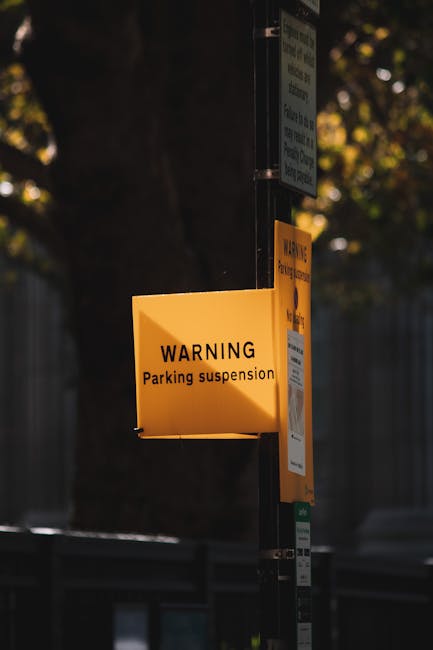
It is also easy to underestimate timing. A parking restriction or suspension can have a start and end period, and moving outside that window may create headaches. If the van arrives late, or the first load takes longer than expected, the whole schedule can slip into enforcement territory. Nobody wants that conversation.
Tools, Resources and Recommendations
You do not need fancy software to manage parking for a move, but a few practical tools help:
- A printed move plan: simple, old-fashioned, reliable.
- House photos or a quick street sketch: useful for discussing access with your mover.
- Box labels and room lists: these speed up unloading when the van is parked and ready.
- Measuring tape: handy for checking whether larger furniture will clear doorways and stair turns.
- Phone notes: for arrival times, access instructions, and vehicle details.
For a smoother overall move, it may help to explore services overview if you want to understand the wider range of moving support available. If you are moving between properties and need somewhere to keep items temporarily, storage in Mottingham can also make the logistics less cramped.
There are practical pre-move jobs that pair well with parking planning too. For instance, if you are taking appliances with you, it can be wise to prepare them in advance. A page like preserving the longevity of an unused freezer is helpful if a freezer needs to be stored or switched off before the move. That sort of preparation means fewer surprises when the van pulls up.
Another useful habit: keep a small "moving day essentials" box separate from the main load. Put keys, water, phone charger, tape, and any permit confirmation in it. When the air is full of tape sounds, footsteps, and that slightly dusty moving-house smell, you do not want to be hunting for a charger under a pile of blankets.
Law, Compliance, Standards, or Best Practice
Parking suspensions sit in the world of local authority rules, traffic management, and street-use controls. Because procedures can differ by area and by road type, it is best to treat any moving-day parking arrangement as something that should be checked in advance rather than assumed. That is especially true in places where parking controls, loading restrictions, or resident bays already shape how the street works.
Best practice usually means this: make sure the access arrangement is suitable for the size of the vehicle, the duration of the move, and the location of the property. If a suspension is needed, it should be requested early enough to allow the relevant arrangements to be confirmed. If a move can be completed safely without one, that is often simpler. The point is not to collect paperwork for the sake of it. The point is to keep the move lawful, safe, and practical.
Removal work also carries broader duties around safe handling, public safety, and avoiding obstruction. That means clear communication, sensible scheduling, and respectful use of the street. It is not just about protecting the van from a ticket; it is about reducing risk for pedestrians, neighbours, and the people doing the lifting.
Where there is uncertainty, the safest approach is to ask direct questions before moving day: is the parking bay controlled, can the van stop there legally, is there space for unloading, and is any suspension or temporary access control needed? Slightly dull questions, yes. But they save far more trouble than they cause.
Options, Methods, or Comparison Table
There are usually a few ways to handle parking for a move. The right choice depends on the property, the road, and the size of the job.
| Approach | Best for | Pros | Limits |
|---|---|---|---|
| Parking suspension permit | Busy or tightly parked streets | Creates reserved space near the property; supports faster loading | Needs planning; may not suit every road or every move |
| Private drive or forecourt | Homes with off-street access | Simple, flexible, usually the easiest option | Not available at many flats or terraces |
| Short loading stop without suspension | Low-traffic streets or brief jobs | Less admin; useful for light moves | Riskier if parking is tight or controlled |
| Timed drop-off with nearby carry route | Moves where direct van access is limited | Can work when planned carefully | Longer carries and more labour |
In practical terms, private access is usually easiest, a suspension is often the most controlled option on a busy street, and a casual stop without planning is the most likely to become a headache. That's the blunt version, anyway.
Case Study or Real-World Example
Here's a realistic example. A family moving from a first-floor flat near a busy residential road in Mottingham had three large wardrobes, a mattress, several packed boxes, and a sofa that definitely did not enjoy narrow stairwells. On paper, the move looked manageable. In reality, the street was already full by mid-morning, and the nearest free space was several doors away.
Instead of hoping for the best, the move was planned around a reserved parking position close to the property. The van could stop where it was needed, the team worked from a short loading route, and the bulky furniture came out in a steadier rhythm. Nobody had to march back and forth across the street with a table lamp and a bad mood.
What changed most was not just the speed. It was the sense of control. The clients were not worrying about the van being moved on, and the loading crew could focus on careful handling. Smaller items were carried in a predictable line, the heavier pieces stayed on schedule, and the move finished without that frazzled, last-minute scramble people remember too well.
If you are planning a similar move, especially one involving awkward items, you may also find ensuring safe handling of your bed and mattress during a move useful. Beds and mattresses are exactly the sort of items that benefit from shorter, cleaner access.
Practical Checklist
Use this before moving day.
- Confirm the moving date and start time.
- Check whether the property has private or off-street access.
- Look at the street at the same time of day as the move.
- Decide whether a parking suspension is needed.
- Confirm the van size and whether it suits the road layout.
- Prepare box labels and separate fragile items.
- Keep hallways, steps, and doorways clear.
- Tell neighbours if the loading space may affect them.
- Prepare a backup parking option if needed.
- Keep keys, documents, and contact details in one easy-to-reach place.
Expert summary: If you are moving in Mottingham and parking is tight, treat access as part of the move itself. Don't leave it as a side note. The closer the vehicle can safely get to the property, the easier the whole day tends to feel - and that small gain compounds fast once the boxes start moving.
Conclusion
Parking suspension permits for Mottingham moves are not the flashiest part of relocation, but they are one of the most practical. They help create safe, workable access, reduce loading time, and remove a surprising amount of moving-day friction. If your road is tight, your property is awkward, or your furniture is heavy, this is one detail worth getting right early.
The best moves usually look calm because the planning happened before the first box was lifted. That is the real lesson here. Get the parking sorted, keep the access simple, and the rest of the move has a much better chance of going smoothly. And honestly, that little bit of calm on moving morning is worth a lot.
If you are preparing a move and want support with access, lifting, and careful transport, it makes sense to speak with a local removal team that understands Mottingham streets and the realities of loading in a live neighbourhood.
Get a free quote today and see how much you can save.