Health and Safety Policy for Man With Van Mottingham
 This Health and Safety Policy sets out how Man With Van Mottingham manages risk, protects staff and customers, and maintains a safe working environment during every stage of a move. The company is committed to a culture of care, prevention, and accountability, with safety considered an essential part of every job rather than an afterthought. All operations are designed to reduce the likelihood of injury, damage, or avoidable disruption while supporting a professional and reliable service.
The policy applies to all personnel involved in removals, loading, unloading, packing, lifting, transit, and storage-related handling. It also applies to subcontracted helpers where used, as well as anyone working on behalf of the business. A safe move depends on clear planning, proper equipment, and attention to detail. Health and safety responsibilities are shared, and every worker is expected to follow safe systems of work and report concerns promptly.
Risk assessment is central to the approach of Man With Van Mottingham. Before work begins, the team considers the weight, shape, fragility, and access conditions associated with the items to be moved.  Potential hazards such as narrow stairways, poor lighting, wet surfaces, sharp edges, and unstable loads are identified in advance wherever possible. This enables the team to choose suitable handling methods, reduce strain, and plan the safest order of operations.
Manual handling is managed carefully to prevent musculoskeletal injury and other accidents. Staff are trained to lift within their capabilities, use team lifting when appropriate, and avoid twisting or overreaching. Where possible, mechanical aids and protective equipment are used to reduce physical stress. Safe lifting is especially important when working with heavy furniture, appliances, boxes, and awkwardly shaped items.
Vehicles are maintained in a roadworthy condition and checked regularly to support safe transport operations. Tyres, lights, mirrors, brakes, and load restraints are inspected before use. Loads must be secured properly to prevent shifting during transit, and the vehicle must never be overloaded.  A tidy, stable loading area helps reduce trip hazards and supports safe movement of goods between property and vehicle. Drivers are expected to operate responsibly, observe speed limits, and allow additional time when weather or traffic conditions increase risk.
Personal protective equipment is provided and used where necessary. This may include gloves, high-visibility clothing, protective footwear, and other items suited to the task. Equipment must be worn correctly and kept in good condition. In addition, workers are expected to dress appropriately for the job and avoid clothing or accessories that could become snagged or interfere with movement. The aim of man and van safety practices is to keep everyone protected without slowing work unnecessarily.
Communication is essential throughout every move. Instructions should be clear, short, and understood by everyone involved before lifting or moving begins. Where customers are present, they should be asked to keep clear of active handling areas and to notify the team of any special concerns, fragile objects, or access issues. Good communication supports smoother operations and helps prevent confusion, collisions, and unplanned interruptions.
Fire safety and emergency awareness are also part of the policy. Vehicles and work areas must be kept free from unnecessary ignition risks, and workers should know how to respond if an emergency occurs. In the event of an incident, the immediate priority is to protect life, make the area safe where possible, and seek assistance if needed. Accidents, near misses, and damage must be recorded and reviewed so that lessons can be learned and future risks reduced.  The business takes a proactive approach to reporting, because timely action supports a safer workplace.
Housekeeping standards are maintained to prevent slips, trips, and falls. Packing materials, tools, cords, and debris should be cleared as work progresses, not left in walkways or loading zones. Routes in and out of properties should remain as unobstructed as possible, and spills should be dealt with quickly. Clean, organised working areas are a practical part of safe removals work and help the team stay efficient and alert.
Protecting the wellbeing of workers is a key part of this policy. Fatigue, dehydration, poor posture, and rushing can all increase risk, so breaks and sensible pacing are encouraged during longer or physically demanding jobs. Managers and team leaders should monitor working conditions and adjust the plan if the environment becomes unsafe. 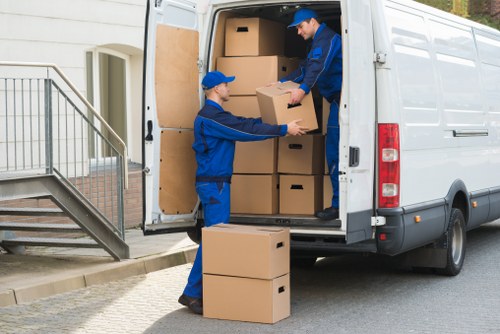 A safe approach to removal and transport services means recognising limits and prioritising good judgement over speed.
Training and competence are maintained through instruction, supervision, and ongoing review. Workers are expected to understand correct lifting methods, load securing practices, hazard awareness, and the use of equipment. New starters should be supported until they demonstrate competence. This helps ensure that man with van operations remain consistent, professional, and aligned with the company’s safety standards.
This policy is reviewed regularly to keep it effective and relevant. Updates may be made following incidents, changes in working methods, or identification of new risks. Every person connected with the business is expected to support this commitment by acting responsibly, following safe procedures, and contributing to a working environment where health and safety remain a priority at all times.