Removals on Mottingham Lane and SE9: Access Guide
Posted on 26/05/2026
If you are planning a move in Mottingham Lane or anywhere across SE9, access can make the difference between a calm day and a long, awkward one. A van that cannot park properly, a narrow entrance, a tight turning point, or a staircase with no lift can slow everything down. That is why a good Removals on Mottingham Lane and SE9: Access Guide is so useful. It helps you think ahead, avoid delays, and choose the right removal approach for your property, your belongings, and the road outside your door. Truth be told, most moving stress is not about the boxes. It is about the bits people forgot to plan for.
This guide walks through what access really means in practical terms, how removal teams assess it, what issues are common in SE9, and how to prepare without making the day feel like a small disaster. You will also find a checklist, a comparison table, and answers to the questions people usually ask just before moving day. If you want a smooth experience, a bit of local know-how goes a long way.
Why Removals on Mottingham Lane and SE9: Access Guide Matters
Access is the hidden part of moving. Everyone remembers the packing, the cleaning, the deposit, the keys. Fewer people think about whether a 3.5-tonne van can stop safely outside, whether the pavement is wide enough for a trolley, or whether the hallway turns sharply at the front door. Yet these little details shape the whole job.
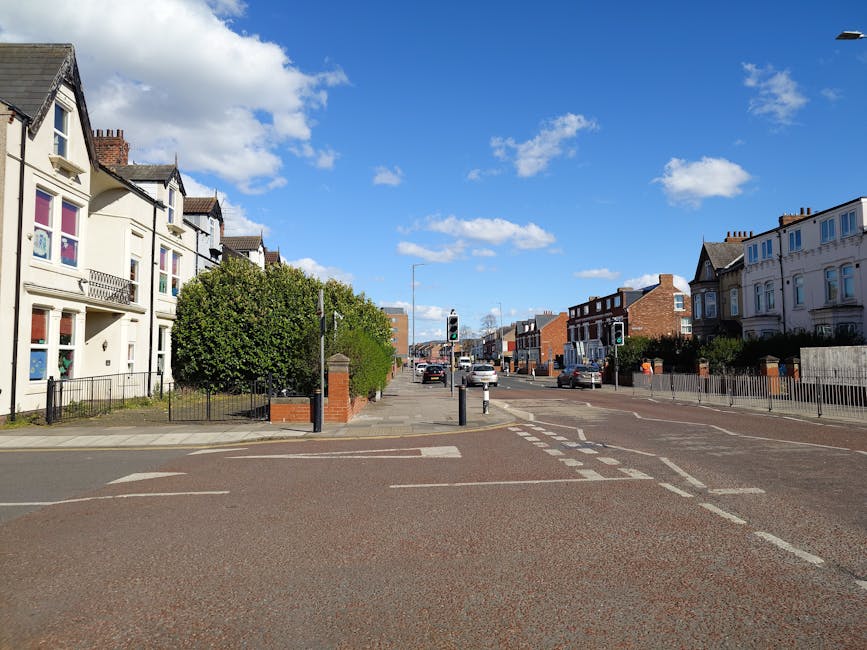
In SE9, access can vary street by street. One road might have generous parking and a straightforward loading point. Another might have a busy stretch, limited curb space, or a layout that makes reversing tricky. Mottingham Lane, like many London residential roads, may require a more careful plan than a standard suburban move. That does not mean it is difficult. It just means the job should be approached properly, with eyes open.
For removal planning, access affects:
- the size of vehicle that can be used
- how long loading and unloading will take
- how many team members may be needed
- whether furniture can be taken out in one piece
- if special protection is needed for stairwells, floors, or door frames
- whether parking permissions or timing restrictions matter
There is also a customer side to this. If you can explain access clearly before the move, you are more likely to get an accurate quote and a realistic time estimate. That saves back-and-forth later. It also helps a removal company decide whether your move is best handled as a man and van service in Mottingham, a larger team-based move, or even a split load with storage if the schedule is tight.
Practical takeaway: access is not a side note. It is a core part of moving logistics, and on local roads it often determines the smoothness of the whole day.
How Removals on Mottingham Lane and SE9: Access Guide Works
A proper access guide starts before any boxes are lifted. The best removal teams will usually ask a short list of questions so they can picture the property and the street layout. Sometimes they will request photos or a quick video walk-through. Nothing dramatic. Just enough to spot the awkward bits early.
Here is what access assessment usually covers:
Street access
This is the outside picture. Can a van stop nearby? Is there enough room to load without blocking traffic? Are there yellow lines, permit bays, school-rush restrictions, or a corner that makes reverse parking uncomfortable? These are the things that can turn a five-minute stop into a twenty-minute shuffle.
Property access
This includes steps, front paths, side entrances, narrow hallways, awkward turns on the landing, and whether the property is a flat, maisonette, house, or office. A top-floor flat with no lift is a different job from a ground-floor home with a rear entrance. That sounds obvious, but people often underestimate it until they are carrying a wardrobe halfway down a staircase and thinking, well, this was ambitious.
Item access
Some items are easy in theory but clumsy in practice. Sofas, beds, fridge-freezers, pianos, and large desks often need careful angle planning. A team may need to remove legs, doors, or fittings, or use extra protection. For item-specific help, see the furniture removals in Mottingham page or the specialist piano removals service if you have heavier or delicate pieces.
Timing and loading plan
Access also influences the order in which items should be moved. Large items usually go first, but only if the route through the property is safe and clear. If not, the team may need to work item by item, protecting corners and taking a slower, more controlled approach. It is not glamorous. It is efficient.
Communication before the move
The most useful access plans are the ones where the customer gives specific details. A phrase like "parking is a bit tight" helps, but "the van can probably stop outside for ten minutes before the road gets busy, and the flat is two flights up with a narrow turn" is far better. That level of detail helps removal firms prepare properly, particularly if you are comparing removal companies in Mottingham or looking at a broader removal services overview.
Key Benefits and Practical Advantages
Good access planning is one of those things that quietly pays for itself. You do not always notice the benefit in a flashy way, but you absolutely feel it on moving day. The van arrives, the route is clear, the team knows what they are doing, and the whole job just flows better.
- Fewer delays: if parking and entry points are understood in advance, loading starts faster.
- Lower risk of damage: clear routes reduce bumped walls, scuffed paint, and scratched furniture.
- More accurate quotes: access details help removal teams estimate labour and time honestly.
- Better vehicle choice: the right van size avoids overcomplication and unnecessary trips.
- Less moving-day stress: when everyone knows the plan, there is less chaos at the kerbside.
- Safer handling of bulky items: awkward furniture and appliances can be moved with the proper method from the outset.
A smaller benefit, but an important one, is mental clarity. When the access plan is sorted, you can focus on your packing, keys, utilities, and last-minute cleaning instead of wondering if a van will fit where you need it to. For many people, that is the difference between an anxious move and a manageable one.
If you are still preparing the home itself, the guides on decluttering before a move and streamlining packing when changing homes are a solid place to start.
Who This Is For and When It Makes Sense
This guide is useful for almost anyone moving in or out of SE9, but it is especially relevant if access is not straightforward. That includes a lot of real-world situations.
- Flat moves: if you are on an upper floor, have narrow stairs, or share a communal entrance, access planning matters a lot.
- House moves: front gardens, shared driveways, and tight residential roads can all affect loading.
- Student moves: you might be moving on a deadline, with fewer items but less flexibility. The student removals in Mottingham service can help when timing is tight.
- Family homes: larger loads often mean more furniture, more boxes, and more chances for an awkward snag.
- Office or home office moves: desks, monitors, archive boxes, and equipment need a controlled route. See office removals in Mottingham for business moves.
- Last-minute moves: if you need same-day removals in Mottingham, access information becomes even more valuable because there is less time to fix surprises.
It also makes sense if you are comparing different service types. For example, a small one-bedroom flat might suit a man with a van in Mottingham, while a larger or more complicated property may need a fuller house removals setup. Different moves, different answers. Simple as that.
Step-by-Step Guidance
Here is a practical way to handle access planning without overthinking it.
- Walk the route from the property to the van point. Check gates, steps, slopes, tight corners, and any furniture that may need to turn through a doorway.
- Measure the awkward items. Sofas, wardrobes, mattresses, and beds deserve a quick check against door frames and stair widths. If you have a bed or mattress to move, the article on safe bed and mattress handling is worth a look.
- Check external parking or stopping space. Even if you think the van can fit, note whether there are residents' bays, loading restrictions, or a bend nearby.
- Take photos in daylight. A few clear pictures of the entrance, stairs, street, and parking area can be surprisingly helpful.
- Share the details with your removal company. Be specific about any access issues. If something is uncertain, say so. Better honest uncertainty than a confident guess.
- Plan the order of loading. Decide what comes out first, especially if the access route is narrow or you expect the van to be parked at a distance.
- Prepare protection and tools. Think blankets, tape, straps, trolley, door protectors, and floor coverings if needed.
- Keep a backup plan. If the road is busy or parking changes at short notice, know where the vehicle can temporarily stop. It is boring planning. Also essential.
A very common real-life scenario is a top-floor flat where the lift is small or unreliable. In that case, the team may need to move heavier items in a different sequence, or use additional labour. Another example is a terrace house with a narrow hallway and a tight turn into the kitchen. That is where careful lifting technique and sensible pacing come in. If you want to understand the physical side a bit better, the guides on kinetic lifting and lifting heavy items safely offer useful background.
Expert Tips for Better Results
Most access problems are avoidable with a bit of foresight. Not all of them, to be fair. Some roads will always be a little awkward. But you can make life much easier with a few practical habits.
- Tell the truth about access. If the van can only park 30 metres away, say that. If a gate sticks, say that too.
- Book the right time slot. School runs, bin collections, and busy morning traffic can all affect street access. Timing matters more than people think.
- Keep the route clear inside the property. Shoes, lamps, small tables, and trailing cables are the kind of things that trip people up for no good reason.
- Label problem items early. If a sofa is particularly wide or a wardrobe is awkward to remove, mark it clearly so the team can plan for it.
- Use the right packaging. Good packing reduces shifting, breakages, and last-minute rework. See the packing tips guide and the packing and boxes service for practical support.
- Protect shared spaces. Communal hallways, lifts, and staircases can get battered if nobody takes care. Floor runners and corner protection are worth it.
- Think about storage if the timeline is messy. If access or completion dates do not quite line up, a short-term solution may help. The storage options in Mottingham page is useful if you need breathing room.
One small but important point: do not underestimate mattresses, sofas, and white goods. They look harmless until you are trying to take them round a landing that seems to have been designed by someone mildly mischievous. That is exactly when proper planning saves the day.
Common Mistakes to Avoid
It is usually the same few mistakes that create avoidable stress. Once you know them, they are easier to dodge.
- Assuming the van will fit without checking. Streets in SE9 can look straightforward until a parked car, a bend, or a narrow gap changes the picture.
- Ignoring internal obstacles. A difficult hallway can be just as serious as a tricky road.
- Forgetting to mention top-floor access. "It's just a flat" is not enough. A flat on the fourth floor, no lift, is a different world.
- Leaving oversized items for the last minute. If something may need disassembly, deal with it early.
- Underpacking fragile items. Loose items shift, and then you are dealing with damage plus delay. Not ideal.
- Failing to plan parking permissions. Where permits or restrictions apply, last-minute improvising can be costly in time.
- Choosing a service that is too small for the access challenge. Sometimes a simple man-and-van setup is perfect. Sometimes it is not. That decision should be based on the property, not just the budget.
There is a quieter mistake too: not preparing yourself. A move can become draining if you try to do too much alone. If you are tempted to lift heavy items by yourself, the advice in this moving-house guide is a good reminder to keep things sensible. Peaceful may sound ambitious on moving day, but honestly, it is a decent goal.
Tools, Resources and Recommendations
You do not need a van full of specialist gear, but a few tools and resources make access handling much easier.
Useful tools
- moving blankets and furniture covers
- strong tape and labels
- ratchet straps or tie-downs
- a trolley or sack truck for heavier boxes
- door and floor protection
- basic toolkit for dismantling beds or shelving
Useful resources
If you are early in the move planning process, start with the services overview to get a sense of what types of support are available. If you need clarity on quotes and how access influences them, the pricing and quotes page is the sensible next stop. For peace of mind around paperwork and service expectations, the terms and conditions, insurance and safety information, and health and safety policy are all worth reading.
Item-specific support worth knowing about
Specialist handling can save time and reduce damage. That is especially true for awkward furniture and appliances. If you need to keep an unused appliance in good condition before or after a move, the article on storing an unused freezer properly is helpful. Likewise, if you are dealing with bulky seating, the guide on sofa storage and durability is a smart read.
And yes, if you are trying to keep the whole thing from spiralling, a bit of decluttering helps more than most people expect. Less stuff means fewer lifting decisions, fewer trips, and fewer opportunities for the move to turn into a mini expedition.
Law, Compliance, Standards, or Best Practice
Moving home is not usually a heavily regulated task in the way some industries are, but there are still important standards and best practices that matter. A reputable removal service should work with sensible care, appropriate insurance, and a clear approach to safety. That means protecting property, using safe lifting practices, and respecting access arrangements such as parking restrictions or building rules.
In practical terms, good practice includes:
- checking whether parking or stopping restrictions apply on your street
- avoiding obstruction of access routes, entrances, or emergency access
- using suitable manual handling techniques for heavy or awkward items
- protecting floors, doorways, and shared spaces where possible
- communicating clearly with customers about limitations and risks
- being transparent about what is included in the service
If the move involves a block of flats or a managed building, there may also be local building rules, lift booking requirements, or time windows for removals. Those are not "law" in the strict sense every time, but they should still be respected. In real life, ignoring them causes friction quickly. Nobody wants that on moving morning.
For customers, the best habit is simple: disclose access challenges early and ask how they will be handled. That is a fair, professional question. It helps you judge whether the service is suitable and whether the company's approach matches your situation.
Options, Methods, or Comparison Table
Different properties and access conditions suit different moving methods. Here is a simple comparison to help you decide what may fit best.
| Moving option | Best for | Access strengths | Limitations |
|---|---|---|---|
| Man and van | Smaller moves, student loads, a few large items | Flexible, often better for tighter streets and faster local jobs | May be less suitable for large family homes or complex access |
| House removals team | Full property moves with more furniture and boxes | Better for bigger loads, more labour, more planning | Can require more space, more coordination, and more notice |
| Flat removals service | Apartments and maisonettes | Suited to stairs, lifts, and communal entrances | Access details must be accurate or delays build quickly |
| Office removals | Business and home office relocations | Useful for planned timing and systematic loading | Equipment and building access need careful coordination |
| Storage-assisted move | Moves with timing gaps or uncertain completion dates | Reduces pressure when access or dates do not align | Not always the cheapest short-term choice |
If you are deciding between these approaches, think about the actual access first, then the volume of items, then the time available. That order matters. People often do it the other way round and then wonder why the plan keeps wobbling.
Case Study or Real-World Example
Here is a realistic example based on the kind of move people often face around SE9.
A couple were moving from a first-floor flat near Mottingham Lane into a terrace house a short distance away. On paper, it looked straightforward. But the flat had a narrow staircase, the parking outside was limited, and the new home had a front path that narrowed sharply near the gate. They also had a sofa that could not turn cleanly at the top of the stairs unless it was angled just right.
Because they described the access clearly in advance, the removal team came prepared with the right equipment and an efficient loading sequence. The largest items were moved first, the sofa was wrapped properly, and the team parked so they could minimise walking distance from the van to the property. There were still a few awkward moments - there always are - but nothing became a crisis.
The couple also used the move as a chance to clear out items they no longer needed, which meant fewer trips and less pressure on the stairwell. They had looked at cleaning strategies before moving out and used that final week to sort rubbish, donations, and fragile items. That made the day feel less cluttered, both literally and mentally.
Expert summary: when access is clear, removal day becomes much more predictable. When access is uncertain, the smartest move is not to guess. Measure, describe, and plan it properly. Small details save big headaches.
Practical Checklist
Use this checklist before moving day. It is simple, but it covers the things people most often miss.
- Confirm the full address, including flat number or building name
- Check where the van can legally and safely stop
- Note any narrow roads, gates, steps, or steep inclines
- Measure large furniture and awkward items
- Tell the removal team about lifts, stairs, or communal access
- Share photos if the street or entrance is hard to describe
- Clear hallways, landings, and doorways inside the property
- Disassemble furniture where needed or arrange help for it
- Label boxes by room and priority
- Protect fragile items and separate them from heavy loads
- Check whether parking permits or building access rules apply
- Keep keys, phone, and essential documents easy to reach
- Have cleaning materials ready for the last sweep
- Plan a backup spot if the first loading point is blocked
That is the sort of checklist that seems almost too ordinary to matter. Then moving day arrives and, well, ordinary becomes very useful very quickly.
Conclusion
Access planning is one of the simplest ways to make removals in Mottingham Lane and SE9 easier, safer, and more predictable. The road outside, the route through the building, the size of the van, and the shape of your furniture all work together. If one of those pieces is ignored, the whole move can feel harder than it needs to be.
By checking the access early, sharing clear details, and choosing the right type of removal support, you give yourself a much better chance of a calm move. That might sound like a small thing. It is not. It is often the whole game.
If you are planning your next step, start with the service that matches your property and your access conditions, then build the rest from there. A little preparation now can save a lot of lifting later.
Get a free quote today and see how much you can save.
And if you can, give yourself one small break on moving day. Tea in hand, boxes stacked neatly, and the hardest part already planned. That does make a difference.